De-risking CSR using Reverse Social Impact Bonds (RSIBs)
Professor Raphael Markellos
Professor of Finance, Norwich Business School, University of East Anglia
13 Dec 2018
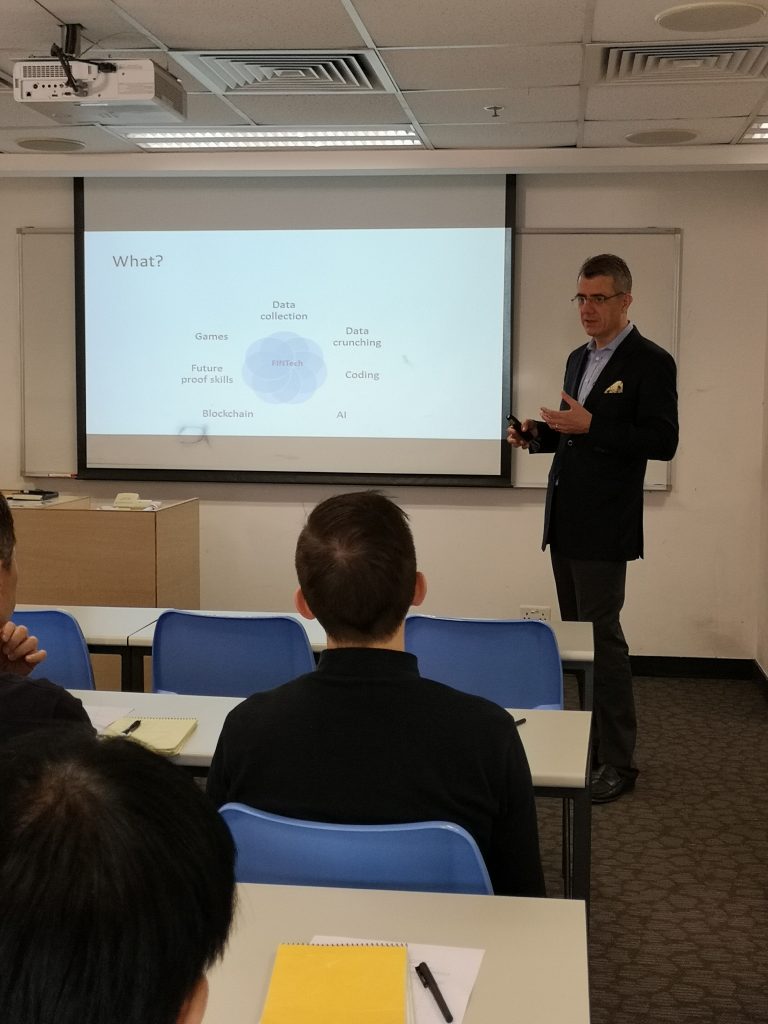
This seminar is about an exciting project in Norwich, UK involving FinTech and Social Finance. This is the result of close collaboration between universities, local government, financial industry and schools. A new facility , about to be launched in January 2019 aims at developing FinTech skills and links between students and businesses. This FINTech lab will also benefit the wider community through educational activities focused on school children from less privileged backgrounds and young women. As part of the project, a new type of Social Impact Bond (SIB) has been developed that will be employed in order to fund the widening participation and diversity program. This funding structure is the first of its kind internationally and could be used more broadly for a number of different applications. It offers several advantages that are particularly appealing to CSR investors and other stakeholders.
The Economics of Aviation Safety
Professor Raphael Markellos
Professor of Finance, Norwich Business School, University of East Anglia
11 Dec 2018
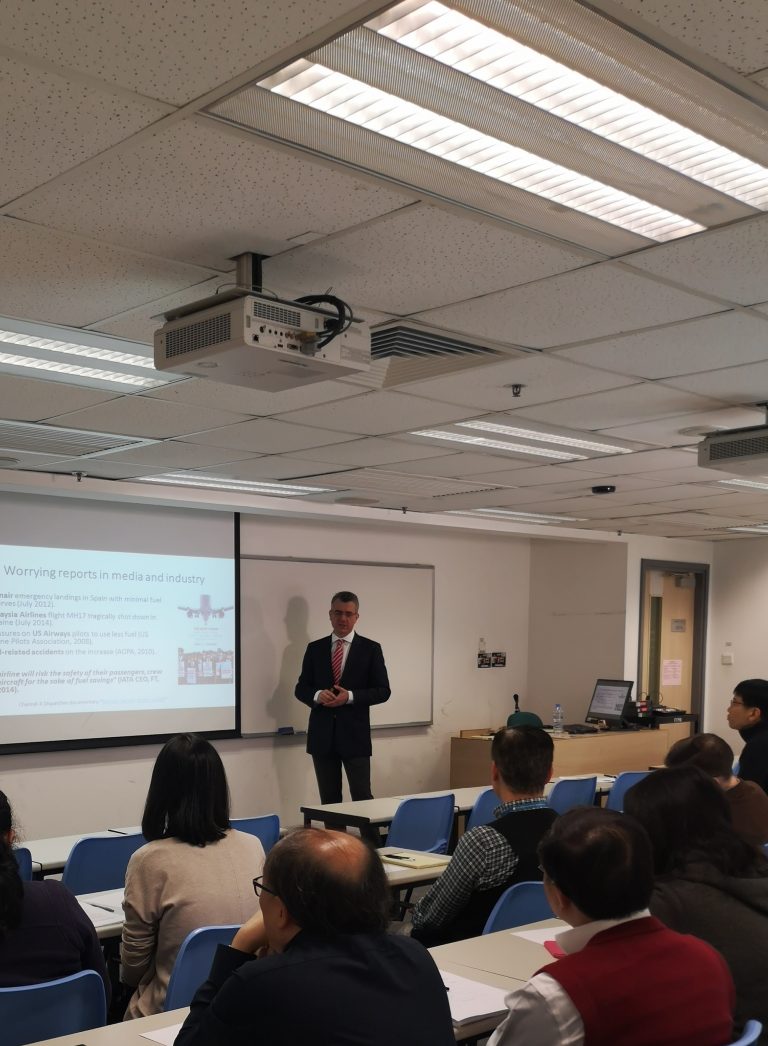
Do overall levels of aviation safety improve and deteriorate along with the economy? That is the main question that will be explored in this seminar. The links between aviation safety and the financial circumstances of individual airlines are well known to academics, regulators and practitioners. However, the author(s) consider for the first time more broadly, systematic risk factors that are related to the whole economy and commercial aviation sector. The analysis using US data provides worrying evidence of clustering in aviation accidents with safety being adversely affected by general economic conditions. The author(s) will discuss practical implications of these results for airlines and regulators.
Sustainable HRM
Professor Michael Müller-Camen
Professor of Human Resource Management, Vienna University of Economics and Business
6 Dec 2018
Over the last decade, the field of Sustainable HRM has grown strongly. However, it is still unclear whether or not Sustainable HRM is taken up by corporations and how it is practiced. In this regard, an analysis of sustainability reports is useful as these documents usually contain sections on HRM. In the research seminar, different ways to analyze sustainability reports will be presented.
Publishing in High Standard Journals: A Reflection
Professor Stuart Orr
Director, Doctor of Business Administration, Deakin Business School, Deakin University
22 Nov 2018
This presentation presents the author(s)' observations from editing journals and discuss the editing process with other editors over the past 10 years. A number of critical factors and approaches will be presented from a broadly management oriented perspective, however, the ideas will be kept as interdisciplinary as possible. Some of the key themes that will be considered include connecting with the conversation in the journal, what is expected of a literature review in a high-end journal, developing interesting and novel findings, why friendly review is so important, whether to conduct quantitative or qualitative research, how to engage reviewers when responding to their comments, dealing with disappointment and building a publication team.
Don't Be a Big Waster! Regulating Consumer Behaviors through the Experience of Guilt and Shame
Dr Maggie Chu
Assistant Professor, Lee Shau Kee School of Business and Administration, Hong Kong Metropolitan University
29 Aug 2018
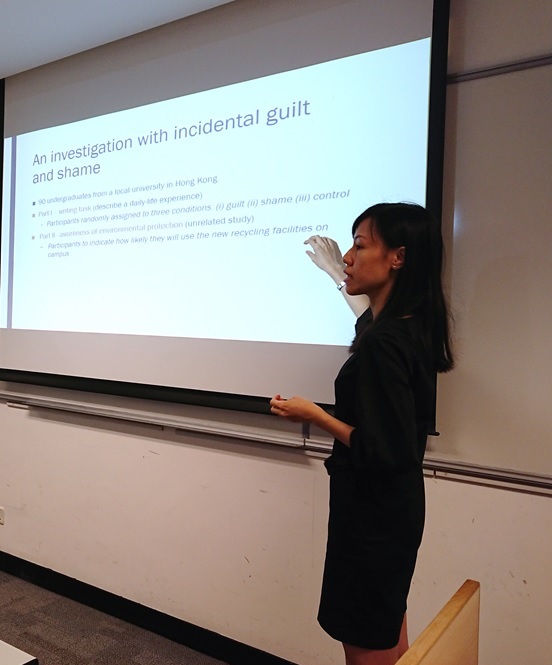
The nowadays consumption-based lifestyle has led to an unprecedented growth of solid waste; people often buy products without regard to their actual needs. There is a common consensus that waste must be reduced by changing the behavior of consumers themselves. The research proposed in this seminar aims to address this issue. The authors speculate that consumers' decisions to reduce waste are governed by negative emotional reactions that are associated with wasting, in particular, guilt and shame. These two emotions are commonly experienced when people engaged in behaviors that are in violation to societal or moral standards. (e.g. having consumed irresponsibly). Extant research suggests that guilt and shame often co-exist; however, their influences on people's behaviors can be substantially different (E.g. Tangney, 1991). A fundamental difference between these two emotions is that guilt-laden people focus on the bad behaviors committed but shame-laden people focus on the bad qualities in themselves. The authors speculate that this may differentially affect people's self-efficacy perceptions, and thus leading guilt to have a positive impact on consumer likelihood to stop wastage but shame to have a negative impact on such likelihood. The preliminary investigations tend to lend support to this prediction.
Investigating the Practice of Buddhism and Feng Shui in Asian Hospitality
Ms Winnie Chiu
Lecturer, Lee Shau Kee School of Business and Administration, Hong Kong Metropolitan University
15 Aug 2018
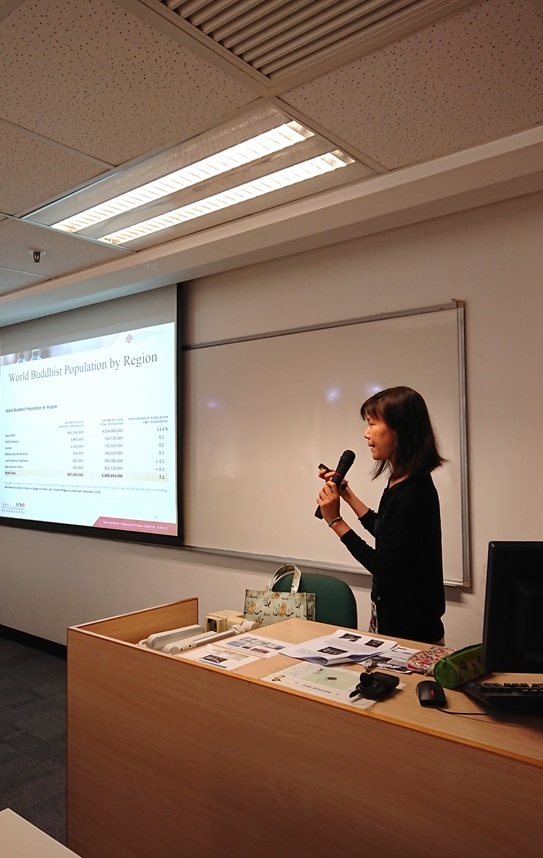
From a historical perspective, a paradigm shift in the field of hospitality has taken place, initially from Europe to North America, and more recently from North America to Asia. This phenomenon is known as the “Asian paradigm” or “Asian-ness” in the hospitality field. Traditional Asian philosophies, mainly derived from Chinese culture and beliefs, have been increasingly applied in the hospitality business. The uniqueness of Asian hospitality is reflected in both its architecture design and heartfelt service. This seminar attempts to investigate the practice of blending Buddhism and feng shui with Asian hospitality, and explore how ancient Asian philosophies have shaped the unique “Asian-ness” in Asian hospitality practices and operations. The implications of this study are also discussed in an attempt to broaden the insights and understanding of hospitality operators and professionals who need to understand the cultural environment in which they are operating for the future planning and operation of their hotel business in Asia.
The Application of Permanent Portfolio in Financial Management and Retirement Scheme
Dr Kevin Li
Assistant Professor,, Lee Shau Kee School of Business and Administration, Hong Kong Metropolitan University
1 Aug 2018
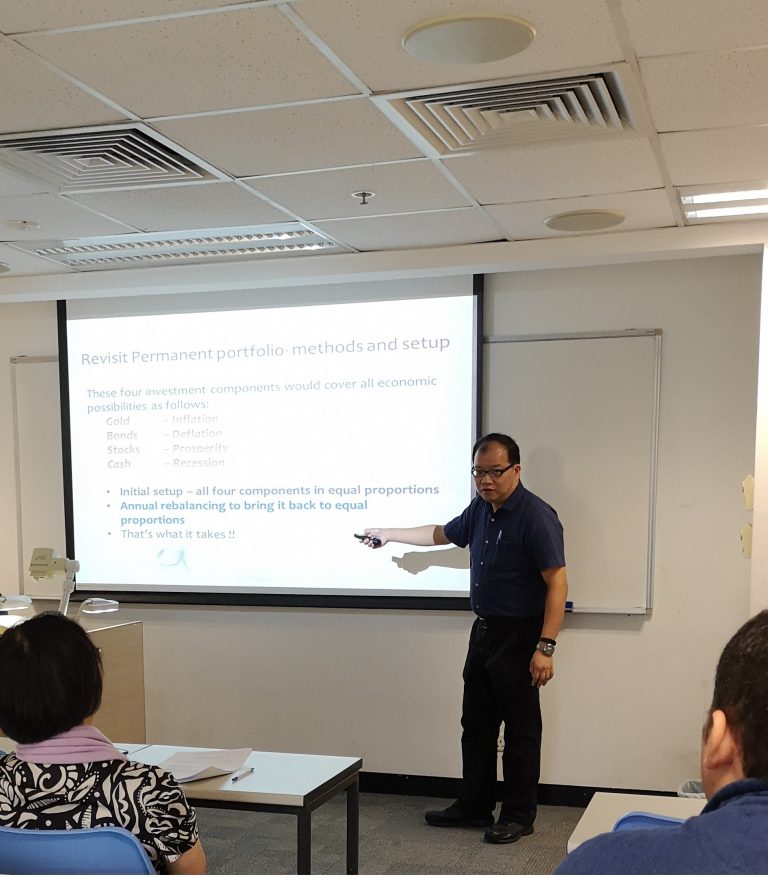
It was demonstrated in previous research that the permanent portfolio (PP) had significantly outperformed all-stocks portfolio based on the Hong Kong Hang Seng Index, and keeping investing simple and non-labor intensive while earning a satisfactory and stable return. In this seminar, the speaker investigates whether the PP can be improved by replacing the cash component with another component, which has a long-term growth history – REITS using MSCI World REITs Index. The results are very encouraging, with the portfolio returns significantly improved without sacrificing any stability. The speaker also compared the performance of the PP, both the original version and this enhanced version, with the average performance of the Mandatory Provident Fund (MPF) schemes in Hong Kong. The MPF schemes are regulated retirement schemes in Hong Kong that came into existence in December 2000. The outcome was that both the original PP and enhanced PP perform better than the average MPF schemes. It is believed that this simple asset-allocation approach to investment can be broadly and usefully applied to any investment management of a long-term nature, and particularly of relevance to investment for retirement purposes.
Antecedents of Pay Disparity in Chinese Listed Companies
Dr Leung Tak Yan
Associate Professor, Lee Shau Kee School of Business and Administration, Hong Kong Metropolitan University
25 Jul 2018
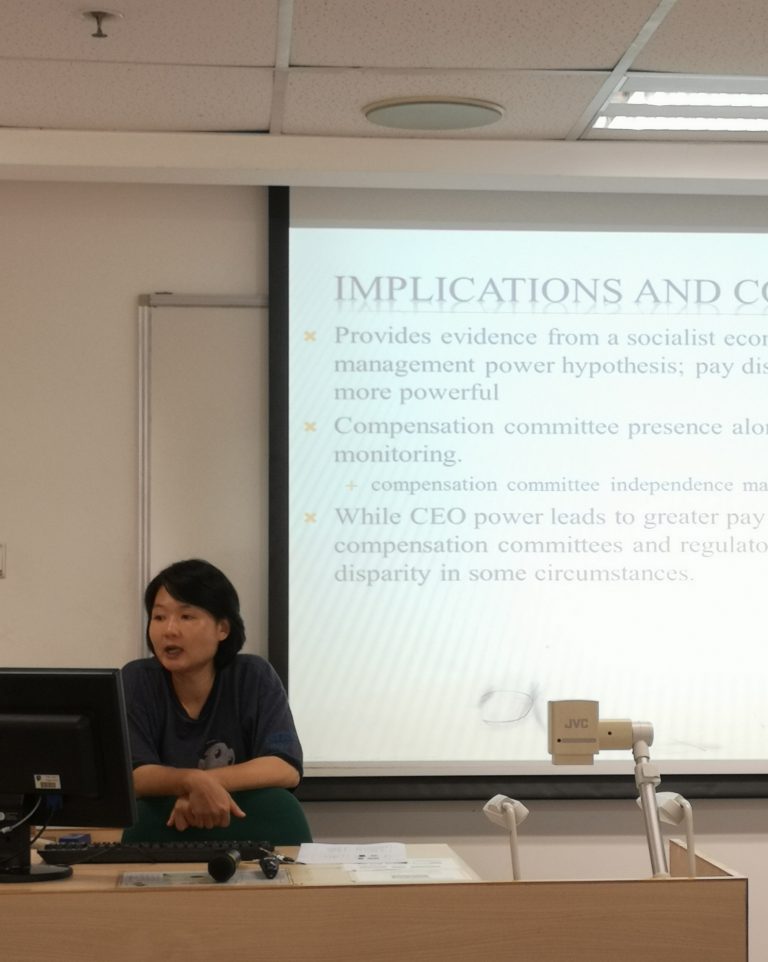
Growing income inequality has been a major concern worldwide. Contemporaneous management remuneration practice which is characterized by huge pay disparity between management and ordinary workers apparently contributes to the phenomenon. Much of the previous research on pay disparity focuses on its consequences and is mostly based on data from western countries. This seminar discusses the antecedents of pay disparity in an emerging economy like China. Using a sample of Chinese listed companies from 2008–2011, the speaker investigates what mechanisms can restrain pay disparity between CEOs and employees. The findings showed that while CEO power leads to greater pay disparity, monitoring by compensation committees, regulatory supervision, and public monitoring can restrain pay disparity in some circumstances. Effectiveness of these mechanisms tends to be influenced by organizational context such as ownership structure and by institutional factors such as subnational cultural climate.
New Episteme of Sustainable Development and Environmental Management Accounting in China
Mr Christophor Tsui
Senior Lecturer, Lee Shau Kee School of Business and Administration, Hong Kong Metropolitan University
18 Jul 2018
Sustainability development is argued in this paper to represent a new “possibility of knowledge” which is effectively a new episteme (Foucault 1970). In accounting, for example, the emerging episteme can replace the abstract, rational belief systems of traditional accounting with a pragmatic empiricism. In practice, this transition is most evident in the growth of environmental accounting. This seminar is about a study of environmental accounting in China. The adoption of environmental management accounting (EMA) is slow in China. This study uses semi-structured interviews with Chinese accountants to understand their attitudes toward environmental management and EMA. The four interviews have their own definitions of “sustainable development”. The meaning can be “company survival” for some accountant. This study contributes to the EMA literature by identifying the factors affecting EMA adoption in China. These factors include lack of EMA training, lack of legal requirements/ accounting standards requirements for using EMA.
Price and Volatility Sensitivity of Utility and Energy Stocks in Commodity Markets: Evidence from the Doha Amendment
Dr Karen Wong
Assistant Professor, Lee Shau Kee School of Business and Administration, Hong Kong Metropolitan University
27 Jun 2018
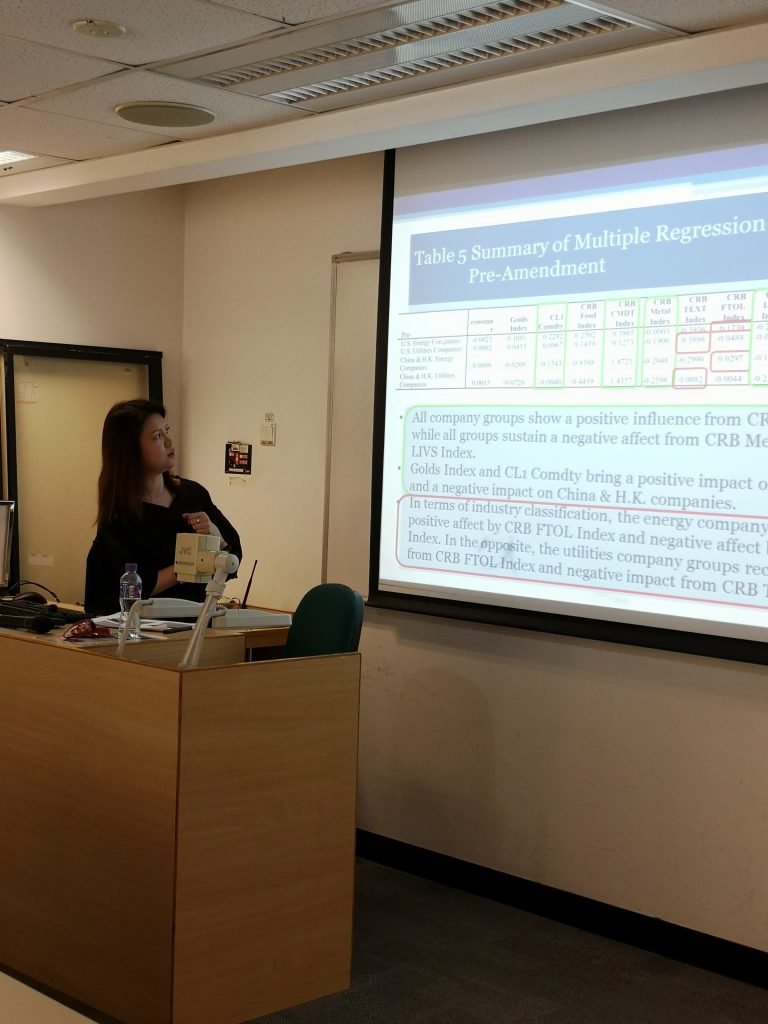
In this seminar, price and volatility sensitivity of utility and energy stocks in the commodity markets were examined. The authors first examine how environmental regulations, such as the Paris Agreement, affect the stock markets. Second, how companies in Western and Eastern countries reacted after the Doha Amendment was adopted by their governments were evaluated. Finally, the authors presented multiple regressions and conducted a Markov switching model in an event study. The findings show consistent company performances within the same industry group. The energy market has various effects on particular industry companies. US companies that are presumed to be well developed change the most in response to changes in energy regulations. All of these observations depend on which commodity price is applied.
The Mediating Role of Idiosyncratic Deals on the Relationships between Coaching and Organizational Citizenship Behaviour
Dr Ray Hui
Assistant Professor, Lee Shau Kee School of Business and Administration, Hong Kong Metropolitan University
20 Jun 2018
Based upon Balu's (1964) social exchange theory, this study examined the effects of leaders' coaching style on followers' organizational citizenship behavior (OCB) thought idiosyncratic deals (i-deals). Specifically, the authors explored 3 types of i-deals, namely task i-deals, work schedule i-deals, and financial incentive i-deals, as mediators of the relationships between two coaching styles (i.e., guidance and facilitation coaching) and two facets of OCB, interpersonal OCB (OCB-I) and organizational OCB (OCB-O). A field study with 219 employees and 60 immediate supervisors was conducted. The results of structural equation modelling (SEM) showed that two coaching styles were significantly related to i-deals, but in opposite directions. Moreover, there were contrasting effects of i-deals on OCB-I and OCB-O. Mediating roles of i-deals were also examined.
Impact of Perk Expenditures and Marketing Expenditures on Corporate Performance in China: The Moderating Role of Political Connections
Dr Leung Tak Yan
Associate Professor, Lee Shau Kee School of Business and Administration, Hong Kong Metropolitan University
13 Jun 2018
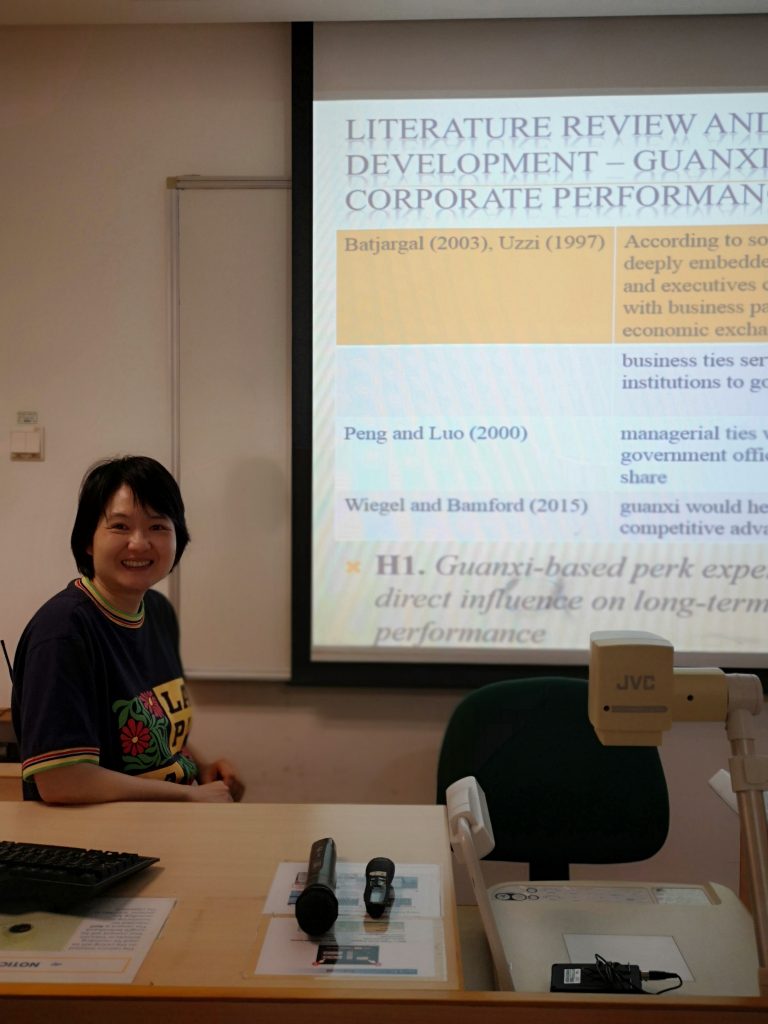
This study examines the performance implications of guanxi-related perk expenditures among listed Chinese firms. Specifically, it investigates how these expenditures influence long-term market-based corporate performance (Tobin's Q and market share) as compared with marketing expenditures. It also examines if political connections moderate this influence. Overall, the findings suggest that guanxi-related perks play an essential marketing role in enhancing long-term corporate success. Furthermore, although marketing expenditures exert much stronger influence on Tobin's Q than guanxi-related perks do, they exert no significant influence on market share. In summary, despite firms' much heavier investments in traditional marketing activities than guanxi-related perk activities, the findings highlight the significant performance contribution that guanxi-related perks can still make to a firm. Moreover, this study reveals that political connections weaken the positive impact of guanxi-related perks on both performance measures, thus reminding executives of the dampening effect of these connections on the effective use of perk spending.
Institutional Development and Firm Performance in Contexts with Different Environmental Dynamism
Ms Susanna Wong
Lecturer, Lee Shau Kee School of Business and Administration, Hong Kong Metropolitan University
6 Jun 2018
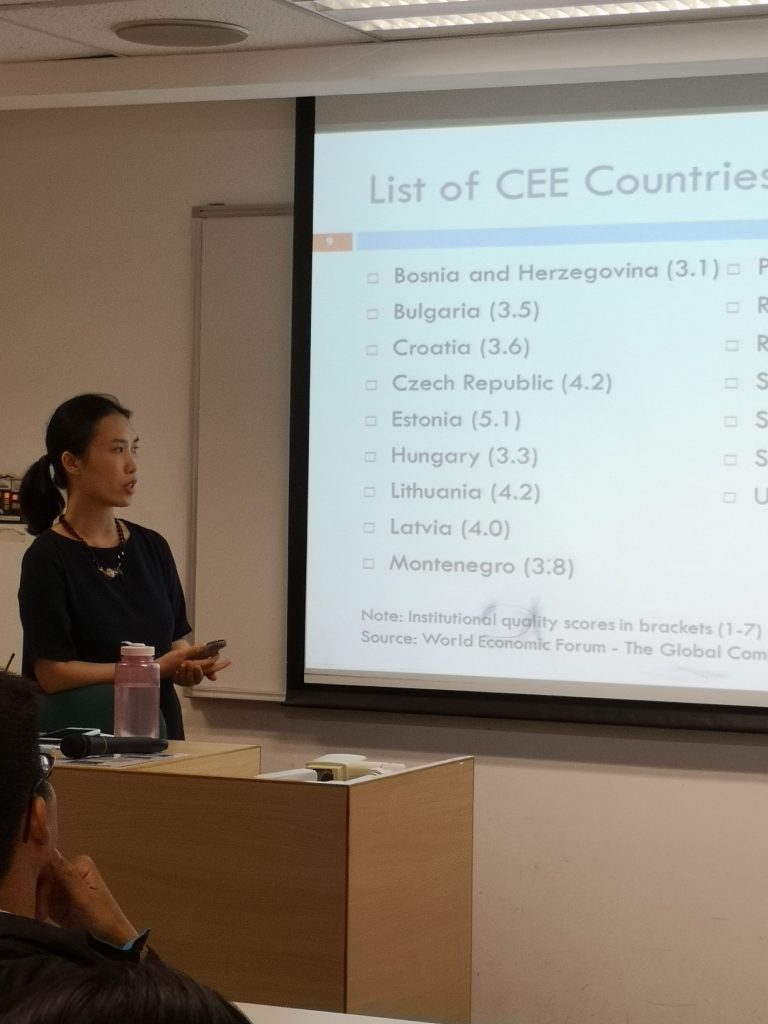
Although it is known that the institutional transformation in transition economies varies, it is unclear how such variations influence firm performance. In the paper presented in this seminar, the authors examine how cross-country variations in institutional development in Central and Eastern Europe (CEE) affect firm profitability. This paper contributes to IB research on the role of institutions by demonstrating that the benefits of having a more developed institutional environment differs significantly across firms depending on the nature of the industry in which firms operate. Based on a sample of over 64,000 observations in 16 CEE countries, the analysis shows that institutional reforms are particularly beneficial in industries characterized by high levels of technological dynamism, but conversely their value is limited in industries that exhibit lower levels of technological dynamism. By contrast, higher levels of market dynamism within an industry motivate firms to internalize more functions. As a result, a completely opposite pattern of results is observed in such industries where the role of institutions becomes less positive.